There is a good chance that right now, as you read this, a subscription you forgot about is quietly pulling money from your bank account. Maybe it is a streaming service you signed up for to watch one show. Maybe it is a fitness app you used twice in January. Maybe it is a free trial that converted to a paid plan three months ago and you never noticed.
These are zombie subscriptions -- charges that keep coming back from the dead, month after month, long after you stopped getting any value from them. And they are more common than you might think.
The $240 Problem
According to a 2024 survey by C+R Research, the average American spends $219 per month on subscriptions but estimates they only spend about $86. That gap represents a massive blind spot. Other studies put the average waste from unused or forgotten subscriptions at roughly $240 per year.
That is $240 that could go toward an emergency fund, a vacation, or just a nicer dinner once a month. It is not life-changing money on its own, but it adds up. Over five years, that is $1,200 you lit on fire without even noticing the smoke.
The real problem is not that subscriptions are expensive. The problem is that they are designed to be forgettable.
What Makes a Subscription a "Zombie"
Not every subscription you pay for is a zombie. Some are genuinely useful. The zombie label applies when one or more of the following is true:
- You forgot it existed. You signed up months ago and it slipped off your radar entirely.
- You stopped using it. Maybe you used it heavily at first, but you have not opened the app or logged in for weeks.
- You only needed it temporarily. You subscribed for a specific purpose -- a project, a trip, a course -- and the purpose is long over.
- The free trial ended. You meant to cancel before the trial expired. You did not.
- You are paying for duplicates. You have two cloud storage plans, or your partner already pays for the same streaming service.
If any of those sound familiar, you are not alone. Most people have at least two or three zombie subscriptions at any given time.
The Usual Suspects
Some categories are more prone to becoming zombies than others. Here are the most common culprits:
Streaming services. The average household subscribes to four or more streaming platforms. It is almost guaranteed that at least one of them goes unwatched for weeks at a time. Services like Netflix, Hulu, Disney+, HBO Max, Paramount+, and Apple TV+ each cost $8 to $20 per month. When you are only actively watching one or two, the rest are pure waste.
Fitness and wellness apps. Peloton, Headspace, Calm, MyFitnessPal Premium, Strava Summit -- the graveyard of good intentions. These tend to spike after New Year's resolutions and then go dormant by March.
Free trials that converted. This is the sneakiest category. Companies offer 7-day or 30-day free trials knowing that a significant percentage of people will forget to cancel. Software tools, meal kits, news sites, and productivity apps all use this playbook.
Cloud storage. iCloud, Google One, Dropbox Plus. Many people sign up when they run out of free storage, then never think about it again. Sometimes they are paying for multiple services that overlap.
Gym memberships. The classic zombie subscription. Gyms famously oversell memberships because they know most members stop showing up within a few months. The average gym member who does not attend still pays for five months before canceling.
News and media. That New York Times subscription you got for $1/month during a promotion? It renewed at full price four months ago.
Why Zombie Subscriptions Survive
If these charges are wasteful, why do people let them continue? It comes down to a few psychological factors.
Small amounts fly under the radar. A $4.99 charge does not trigger the same alarm as a $49.99 one. Your brain essentially rounds it down to zero. But twelve $4.99 charges per year is $60 -- and most people have several of these small subscriptions running simultaneously.
Inertia is powerful. Even when you notice a charge you do not want, canceling requires effort. You have to find the account, log in (often resetting a forgotten password), navigate to the cancellation page, and sometimes call a phone number or chat with a retention specialist. Every friction point makes it more likely you will say "I will deal with this later" and never do.
Optimism bias. "I will start using it again next week." You probably will not, but the hope keeps the subscription alive.
Statement blindness. Most people do not review their bank or credit card statements line by line. They glance at the total, maybe check the big charges, and move on. Small recurring charges blend into the background noise.
How to Spot Zombies in Your Accounts
The most reliable method is to go through your last three months of bank and credit card statements and highlight every recurring charge. Three months gives you enough runway to catch charges that bill monthly, quarterly, or annually.
Look for charges from names you do not immediately recognize. Subscription companies often bill under their parent company's name or a truncated version of their brand, which makes them harder to identify at a glance.
For a deeper dive, check out our guide on how to do a subscription audit in 15 minutes. It walks through a systematic process for finding every subscription tied to your accounts.
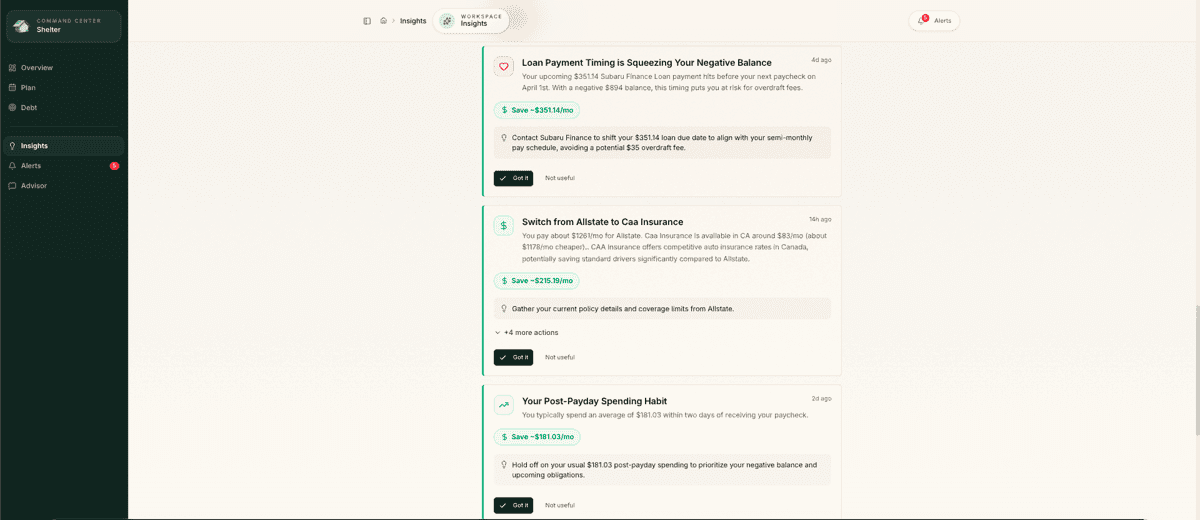
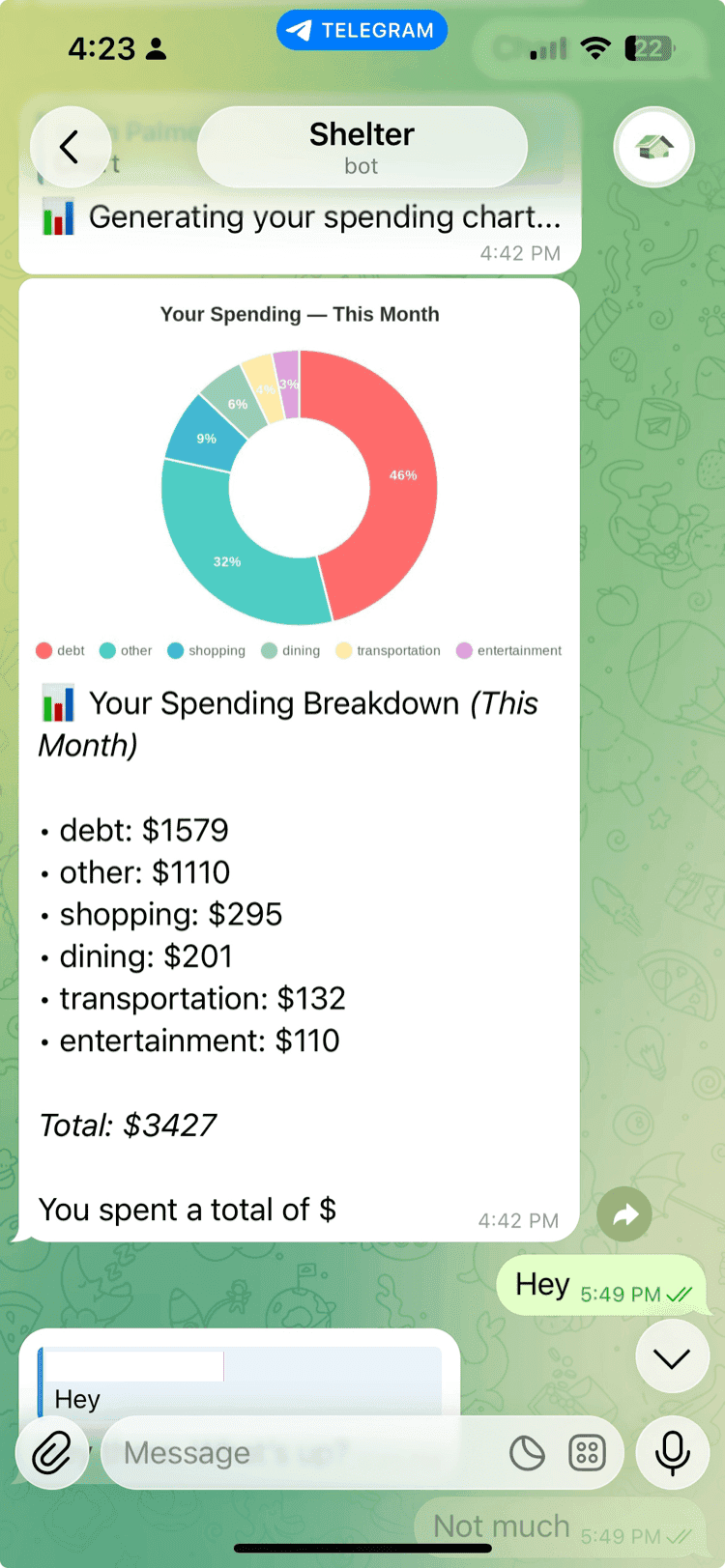
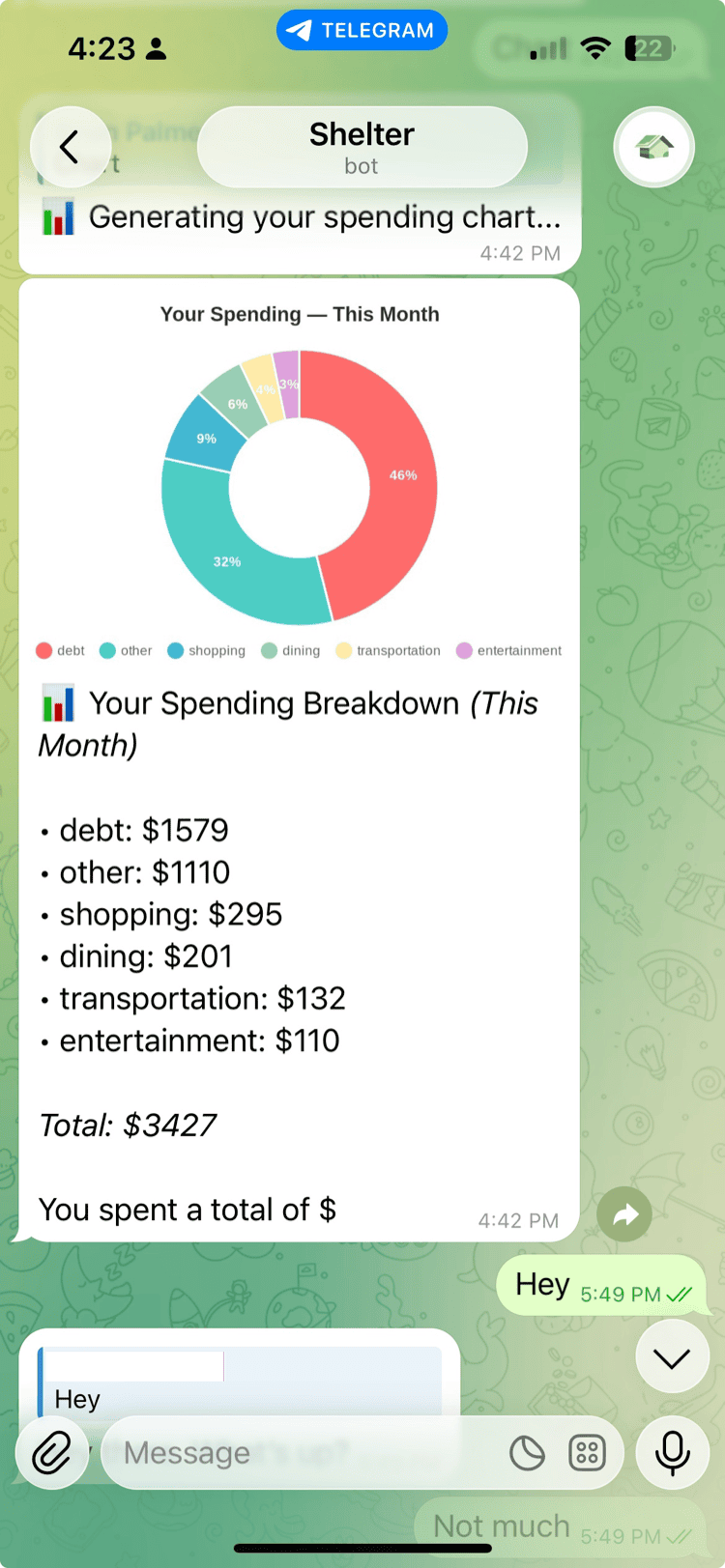
You can also use tools that connect directly to your bank and automatically flag recurring charges. Shelter does this by linking to your accounts through Plaid and surfacing subscriptions that look like they might be zombies -- charges that recur regularly but do not match your active usage patterns. Since Shelter is read-only and never moves your money, it just shows you what is there and lets you decide what to do about it. If you are comparing tools, check out the best subscription tracker app page.
What to Do Once You Find Them
Once you have your list of zombie subscriptions, the next step is simple: cancel the ones you do not use. Our guide on how to find and cancel subscriptions you do not use covers the practical steps, including how to deal with services that make cancellation intentionally difficult.
For the subscriptions you want to keep, consider whether you are on the right plan. Many services offer cheaper tiers that might fit your actual usage better. Downgrading from a premium plan to a basic one can save $5 to $15 per month per service without losing the features you actually care about.
Make It a Habit
The best defense against zombie subscriptions is not a one-time purge. It is a recurring check-in. Set a calendar reminder to review your subscriptions every three months. It takes 15 minutes and can save you hundreds of dollars a year.
You can also use Shelter to keep a passive eye on things between audits. Because it stays connected to your bank accounts, it can alert you when new recurring charges appear -- catching potential zombies before they have a chance to accumulate.
Zombie subscriptions thrive on neglect. The moment you start paying attention, they lose their power. And $240 a year is a pretty good reward for 15 minutes of work.
Take control of your cash flow
Shelter connects to your bank, forecasts your balance 30 days out, and alerts you before problems happen.