We all know the immediate sting of an overdraft: the dreaded $35 fee. But what happens behind the scenes when your account drops below zero is much more complex—and potentially much more damaging—than a single penalty.
Understanding the mechanics of an overdraft is the first step to escaping the cycle.
1. The Cascading Fee Trap
When your account hits negative, it doesn't just stop at one fee. This is the most dangerous part of an overdraft event.
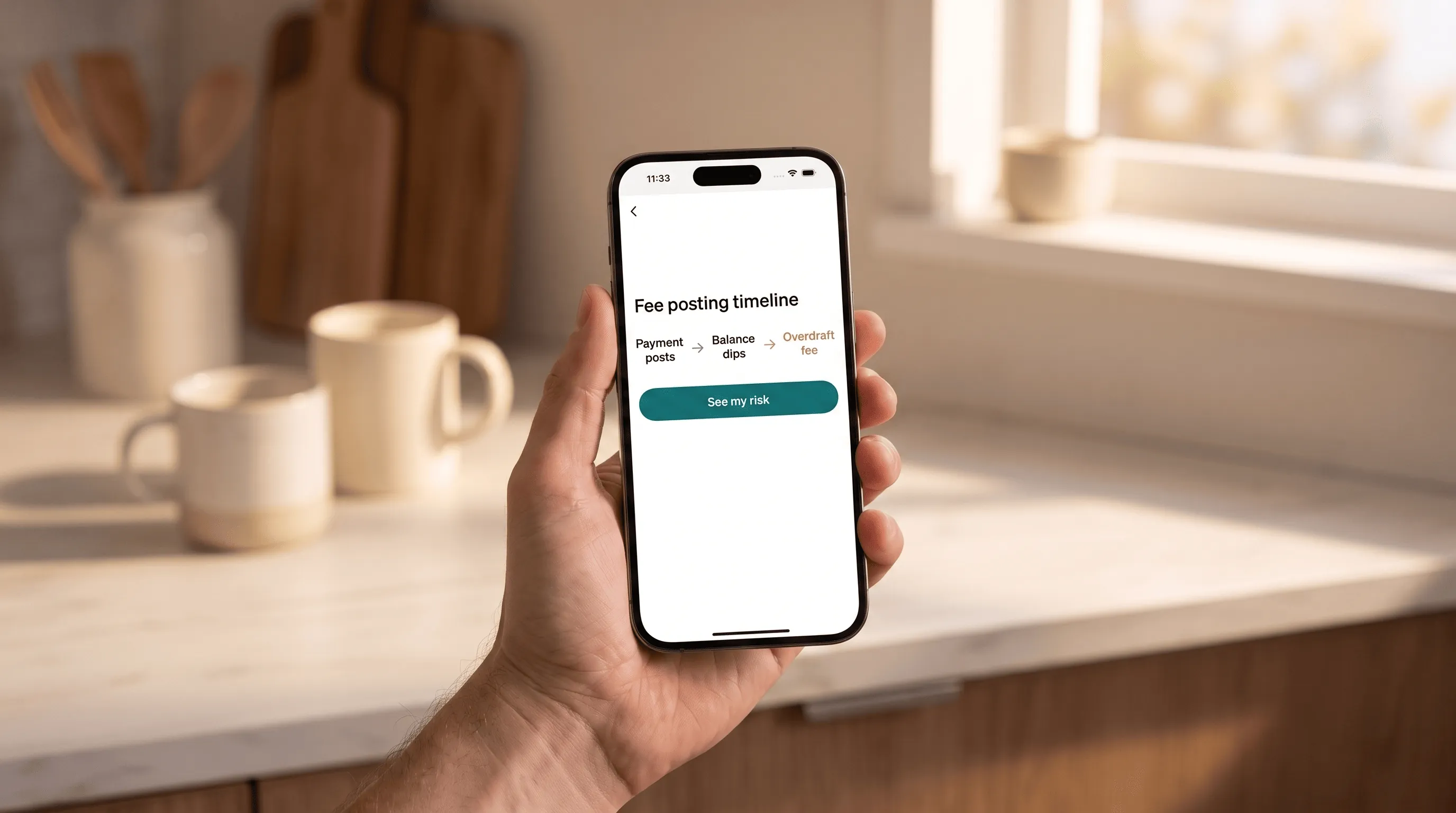
Let's say your balance is $10. You buy a coffee for $5, a sandwich for $10, and then a $50 auto-pay utility bill hits. Depending on how your bank reorders your transactions (many process the largest transaction first to maximize fees), you could be hit with three separate $35 overdraft fees.
Suddenly, you owe the bank $105 in fees for overspending by just $55.
2. Returned Item Fees (The Double Whammy)
If you haven't opted into overdraft protection, your bank will simply decline the transaction. For debit card swipes, this just means an embarrassing moment at the register.
But for ACH transfers (like rent, utilities, or loan payments), the bank will reject the payment and charge you an NSF (Non-Sufficient Funds) fee.
The merchant or landlord whose payment bounced will also charge you a returned payment fee. You end up paying two penalties, and the original bill is still unpaid.
3. The ChexSystems Threat
If your account stays negative for too long (typically 30 to 60 days), the bank will forcefully close your account and report you to ChexSystems.
ChexSystems is like a credit bureau for checking accounts. Once you are in their database, it becomes nearly impossible to open a bank account at any mainstream financial institution for up to five years. You are forced into "second chance" checking accounts that carry high monthly maintenance fees.
The real cost of an overdraft isn't $35. It's the risk of being unbanked entirely.
How to Break the Cycle Forever
The only way to win the overdraft game is not to play. You have to see the deficit coming before it actually happens.
Most overdrafts don't happen because people are irresponsible. They happen because your bank shows what you have, not what you're about to spend.
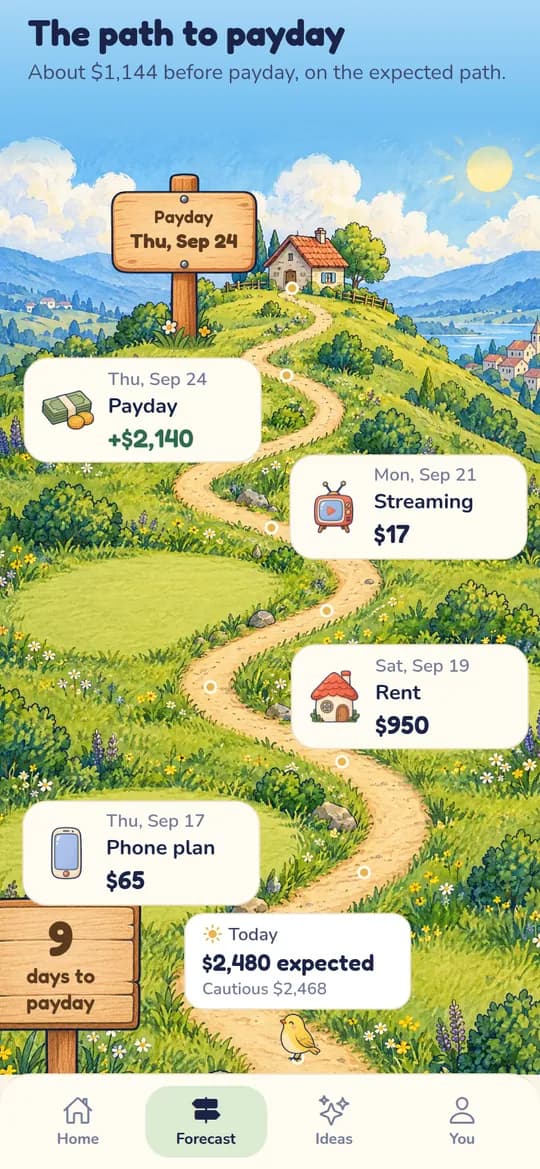
Shelter calculates your Safe-to-Spend after bills, subscriptions, and upcoming expenses so you know what is actually available. By forecasting your balance 30 days into the future, Shelter warns you about the dip while you still have time to stop it.
Further Reading
- Ready to fix it? Read Overdraft Protection for Beginners.
- Use the six-step checklist in how to avoid overdraft fees.
- Learn about the Overdraft Protection Alternatives Banks Don't Tell You About.

Take control of your cash flow
Shelter connects to your bank, forecasts your balance 30 days out, and alerts you before problems happen.