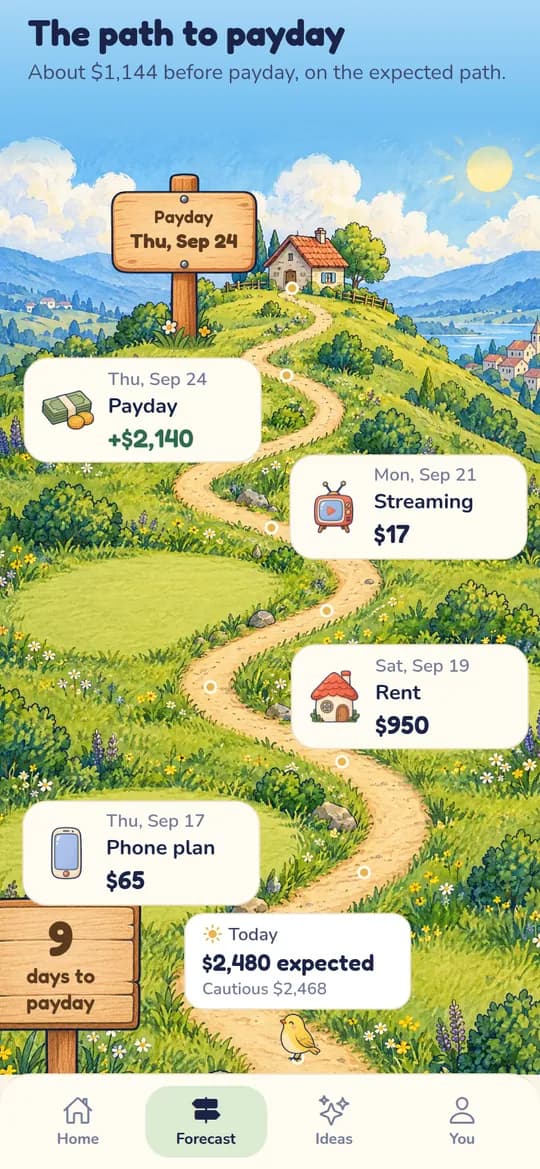
When you open a checking account, the bank will eagerly try to sign you up for "Overdraft Protection." It sounds like a great deal: if you accidentally spend more than you have, the bank will cover it so your transaction doesn't bounce.
But what the brochure doesn't emphasize is the cost. Standard overdraft protection is often just a slightly cheaper fee, or worse, a gateway to exorbitant short-term interest rates.
Here are the real alternatives to protect your cash flow without paying the bank.
The Problem with Bank "Protection"
There are usually two types of bank-sponsored protection:
- Linked Account Transfers: The bank moves money from your savings to your checking to cover the gap. The catch: They usually charge a $10-$15 "transfer fee" every time this happens.
- Overdraft Line of Credit: The bank lends you the money to cover the gap. The catch: You pay an annual fee just to have the line, plus interest rates that can exceed 21% on the borrowed amount.
"True overdraft protection shouldn't cost you money. If you are paying a fee to prevent a fee, the bank is still winning."
Alternative 1: The "DIY" Micro-Buffer
The most effective protection doesn't require a bank product at all. It requires changing how you view "zero."
If you can manage to leave a permanent $100 buffer in your checking account, and treat $100 as your "absolute zero," you've created free, instant overdraft protection. If an unexpected $40 bill hits, your balance drops to $60, but you pay zero fees.
The trick is mentally resetting your baseline.
Alternative 2: Neo-Bank "SpotMe" Features
Several modern fintech apps, most notably Chime with their "SpotMe" feature, offer true fee-free overdrafts up to a certain limit (usually $20 to $200).
If you swipe your debit card for a $10 lunch and only have $5 in the bank, they cover the $5. When your next direct deposit hits, they simply recoup the $5 without charging interest or penalties.
The downside: This usually requires switching your primary direct deposit to their platform.
Alternative 3: Cash Flow Forecasting (The Ultimate Defense)
All of the alternatives above are reactive. They wait until you have a problem, and then they try to soften the blow.
The only way to truly solve the problem is to be proactive.
Instead of waiting to hit zero, what if you knew you were going to hit zero four days before it happened?
If you know a deficit is coming, you can:
- Transfer money from savings yourself (for free).
- Cancel a subscription.
- Pick up an extra gig shift.
- Move a bill due date back by two days.
Stop Reacting. Start Forecasting.
Most overdrafts don't happen because people are irresponsible. They happen because your bank shows what you have, not what you're about to spend.
Shelter calculates your Safe-to-Spend after bills, subscriptions, and upcoming expenses. It acts as an early warning radar, giving you a 30-day forecast of your exact bank balance.
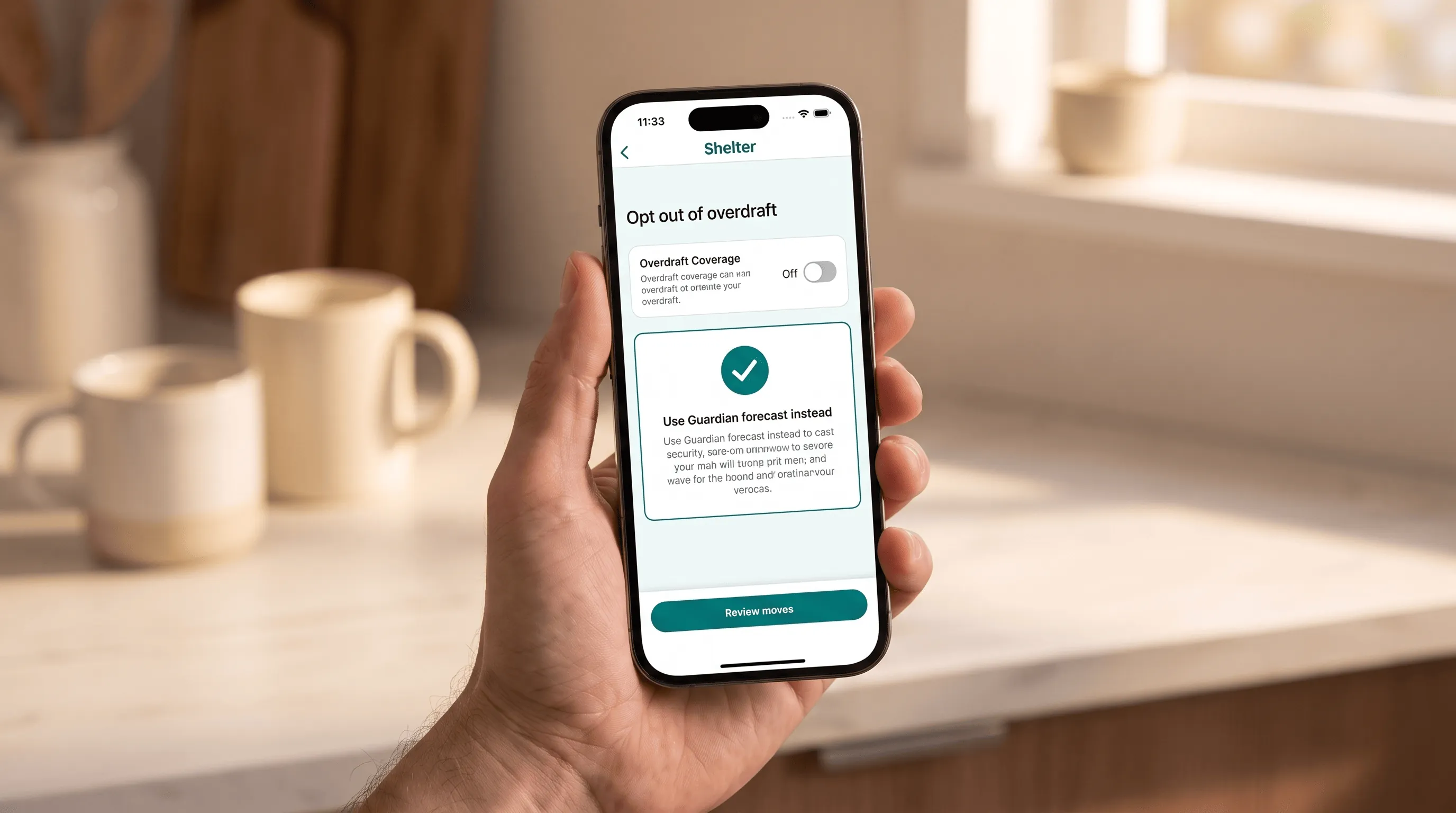
When you can see the future of your money, you don't need expensive bank protection. You protect yourself.
Learn More
- Ready to fix your finances? Read Overdraft Protection for Beginners.
- For bank settings and bill timing you can do this week, follow 6 practical steps to avoid overdraft fees.
- Find out exactly What Happens When You Overdraft Your Account.

Take control of your cash flow
Shelter connects to your bank, forecasts your balance 30 days out, and alerts you before problems happen.