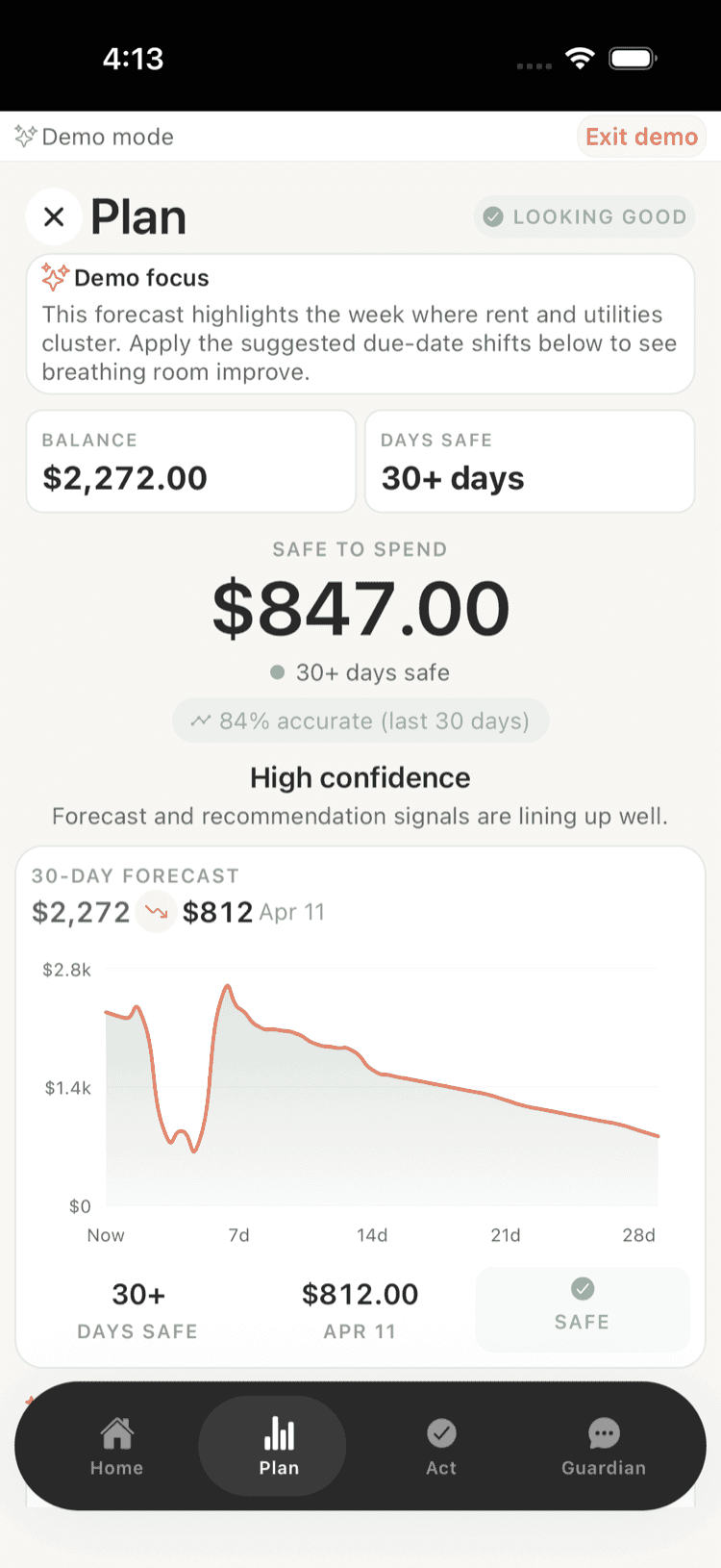
For paycheck-to-paycheck earners and gig workers, understanding where every dollar goes isn't just helpful-it's essential for avoiding overdrafts and financial stress. This comprehensive guide reveals how to gain complete visibility into your spending patterns using automated tools and proven strategies that eliminate the guesswork from your finances.
Automated Spending Categorization & Tracking
Set up bank account syncing with spending apps
Connect your checking accounts to apps like Mint or YNAB for real-time transaction importing. Eliminates manual entry while providing instant spending visibility.
Create custom spending categories for irregular income
Build categories like 'Gig Expenses,' 'Equipment,' and 'Emergency Buffer' that reflect your actual earning patterns. Standard categories miss crucial spending areas for non-traditional workers.
Use merchant name rules for automatic categorization
Set rules so transactions from specific stores always go to correct categories. Saves hours of manual sorting and ensures consistency.
Track cash spending through receipt photos
Use apps that scan receipts to categorize cash purchases automatically. Critical for gig workers who often deal in cash.
Split transactions for mixed purchases
Divide grocery store trips between food, household items, and personal care for accurate category tracking. Reveals true spending in each area.
Set up location-based spending alerts
Configure notifications when you spend at expensive locations or frequent problem spots. Helps catch impulse spending in real-time.
Track business vs personal expenses separately
Create distinct categories for work-related spending to maximize tax deductions. Essential for freelancers and contractors.
Use spending velocity tracking
Monitor how fast you're spending compared to income timing. Prevents running out of money before next paycheck arrives.
Implement micro-category tracking
Break down broad categories like 'food' into 'groceries,' 'takeout,' 'coffee,' and 'lunch.' Identifies specific spending leaks.
Set up pending transaction monitoring
Track pending charges that haven't cleared yet to avoid overdrafts. Shows true available balance, not just posted transactions.
Create spending tags for emotional triggers
Tag purchases made when stressed, bored, or celebrating to identify emotional spending patterns. Helps break expensive habits.
Use geo-tagging for location-based insights
Automatically tag transactions with location data to see spending patterns by area. Reveals expensive neighborhoods or venues.
Track recurring vs one-time expenses
Separate fixed monthly costs from variable spending to see controllable expenses. Helps prioritize where to cut back.
Monitor spending timing patterns
Analyze when during the month you spend most heavily. Helps time purchases better relative to income arrival.
Set up spending category limits with alerts
Create spending caps for problem categories with notifications when approaching limits. Prevents category overspending before it happens.
Subscription & Recurring Payment Management
Audit all subscription services monthly
Use apps like Truebill to find forgotten subscriptions draining your account. Many people have $50+ monthly in unused services.
Set up subscription calendar reminders
Create calendar alerts 3 days before each subscription renews. Gives time to cancel or adjust payment timing if cash is tight.
Use virtual cards for subscription management
Assign unique virtual card numbers to each service for easy cancellation and spending control. Prevents unwanted renewals after cancellation attempts.
Track subscription price increases
Monitor when services raise prices and evaluate continued value. Many subscriptions slowly increase costs hoping users won't notice.
Implement subscription spending limits
Set a total monthly cap for all subscription services combined. Forces prioritization of most valuable services when budget is tight.
Use annual vs monthly payment optimization
Calculate whether annual payments save money vs monthly flexibility for your cash flow. Often worth paying monthly when money is unpredictable.
Set up subscription pause features
Use services that allow pausing instead of canceling when income is uncertain. Maintains access without permanent commitment.
Track subscription utilization rates
Monitor how often you actually use each service to justify the cost. Cancel anything used less than weekly unless truly essential.
Bundle subscription audits with income changes
Automatically review all subscriptions when income drops from job changes or reduced gig work. Prevents subscriptions from eating into essential money.
Use family sharing to split costs
Share Netflix, Spotify, and other family plans with trusted friends to cut individual costs. Can save $20-50 monthly on entertainment.
Set up subscription rotation schedules
Keep only 1-2 entertainment services active at a time, rotating monthly. Maintains variety while controlling costs.
Track free trial conversion dates
Calendar when free trials convert to paid to avoid surprise charges. Set cancellation reminders 2 days before conversion.
Use subscription spending as percentage of income
Keep total subscriptions under 5% of monthly income. Scales with income changes and prevents subscription creep.
Monitor subscription renewal timing vs payday
Align subscription renewals with when you get paid to prevent overdrafts. Contact companies to adjust billing dates if needed.
Create subscription emergency fund
Keep one month of subscription costs in reserve for income gaps. Prevents service interruptions during financial stress periods.
Cash Flow Timing & Overdraft Prevention
Map bill due dates against paydays
Create a visual calendar showing when bills are due vs when money arrives. Reveals dangerous gaps that cause overdrafts.
Set up low balance alerts at strategic levels
Configure alerts at $200, $100, and $50 to give multiple warnings before hitting zero. Provides time to adjust spending or find income.
Use bill pay scheduling to control timing
Schedule all bills to pay 2-3 days after paydays to ensure funds are available. Prevents bills from hitting before deposits clear.
Create a bill timing spreadsheet
Track which bills can be paid early vs which must wait for income. Helps optimize payment timing for cash flow management.
Set up overdraft protection transfers
Link savings account for automatic transfers when checking gets low. Cheaper than overdraft fees and prevents transaction declines.
Use spending freezes during tight periods
Stop all non-essential spending 5 days before paydays when balances are lowest. Prevents last-minute overdrafts from impulse purchases.
Track pending charges impact on available balance
Monitor how pending transactions affect real available money, not just posted balance. Prevents spending money that's already committed.
Implement buffer day scheduling
Never schedule bills for the exact day income arrives-always add 1-2 buffer days. Accounts for payment processing delays.
Use cash flow forecasting for irregular income
Predict upcoming 2-week periods with low vs high income to adjust spending accordingly. Critical for gig workers and freelancers.
Set up emergency micro-loans
Research cash advance apps and small loan options before you need them. Having approved access prevents panic borrowing at high rates.
Create bill payment priority rankings
List bills in order of importance for when money is tight. Ensures essential services stay on while managing cash shortfalls.
Use available balance vs current balance
Always make decisions based on available balance that accounts for holds and pending charges. Current balance can be misleading.
Set up same-day payment capabilities
Ensure you can make emergency bill payments within hours when cash flow suddenly improves. Prevents late fees during tight periods.
Track bank processing time patterns
Learn how long your bank takes to process different transaction types. Helps plan payment timing more accurately.
Implement spending approval workflows
Require checking balance and upcoming bills before any purchase over $25. Simple habit that prevents costly timing mistakes.
Spending Pattern Analysis & Optimization
Analyze spending by day of week patterns
Identify which days you spend most heavily to plan for high-spending periods. Many people overspend on Fridays and weekends.
Track impulse vs planned purchase ratios
Categorize purchases as planned or impulse to see decision-making patterns. High impulse ratios indicate need for spending delays.
Calculate cost per use for major purchases
Track how often you use expensive items to determine true value. Helps justify future purchases and identify waste.
Monitor spending velocity changes
Track whether you're spending faster or slower compared to previous periods. Early warning system for budget problems.
Identify spending triggers and patterns
Note what events or emotions precede expensive purchases. Common triggers include stress, celebrations, and payday euphoria.
Track seasonal spending variations
Analyze how spending changes throughout the year to prepare for expensive months. Holiday and summer spending often spike unexpectedly.
Calculate hourly wage equivalent for purchases
Convert purchase costs to hours of work required to afford them. Makes true cost of spending more tangible and discouraging.
Use spending efficiency metrics
Track spending per category as percentage of total to optimize allocation. Helps identify categories consuming disproportionate resources.
Analyze location-based spending patterns
See which locations or stores consistently lead to overspending. Helps create avoidance strategies for problem areas.
Track spending correlation with mood/energy
Note your mood when making purchases to identify emotional spending patterns. Low energy often leads to expensive convenience choices.
Calculate return on investment for purchases
Evaluate whether purchases save money or generate income over time. Helps prioritize spending that improves financial position.
Monitor payment method spending differences
Compare spending patterns when using cash, debit, or credit cards. People typically spend more with cards than cash.
Track spending habits relative to sleep/health
Notice how physical condition affects spending decisions. Tired or stressed periods often lead to poor financial choices.
Use spending trend analysis for predictions
Project future spending based on current trends to anticipate budget issues. Helps adjust behavior before problems develop.
Calculate spending efficiency ratios
Track spending per unit of satisfaction or utility gained. Helps identify which purchases provide best value for money spent.
Take Control of Your Finances
Shelter gives you a clear picture of your cash flow, tracks your bills and subscriptions, and helps you avoid overdraft fees -- all without the stress of traditional budgeting. Connect your accounts in minutes and let Shelter do the heavy lifting.
Download Shelter and start managing your money smarter today.
Take control of your cash flow
Shelter connects to your bank, forecasts your balance 30 days out, and alerts you before problems happen.