If you've ever checked your bank app and felt a pit in your stomach—not because the number is low, but because you aren't sure what the number actually means—you've experienced the fundamental flaw of modern banking.
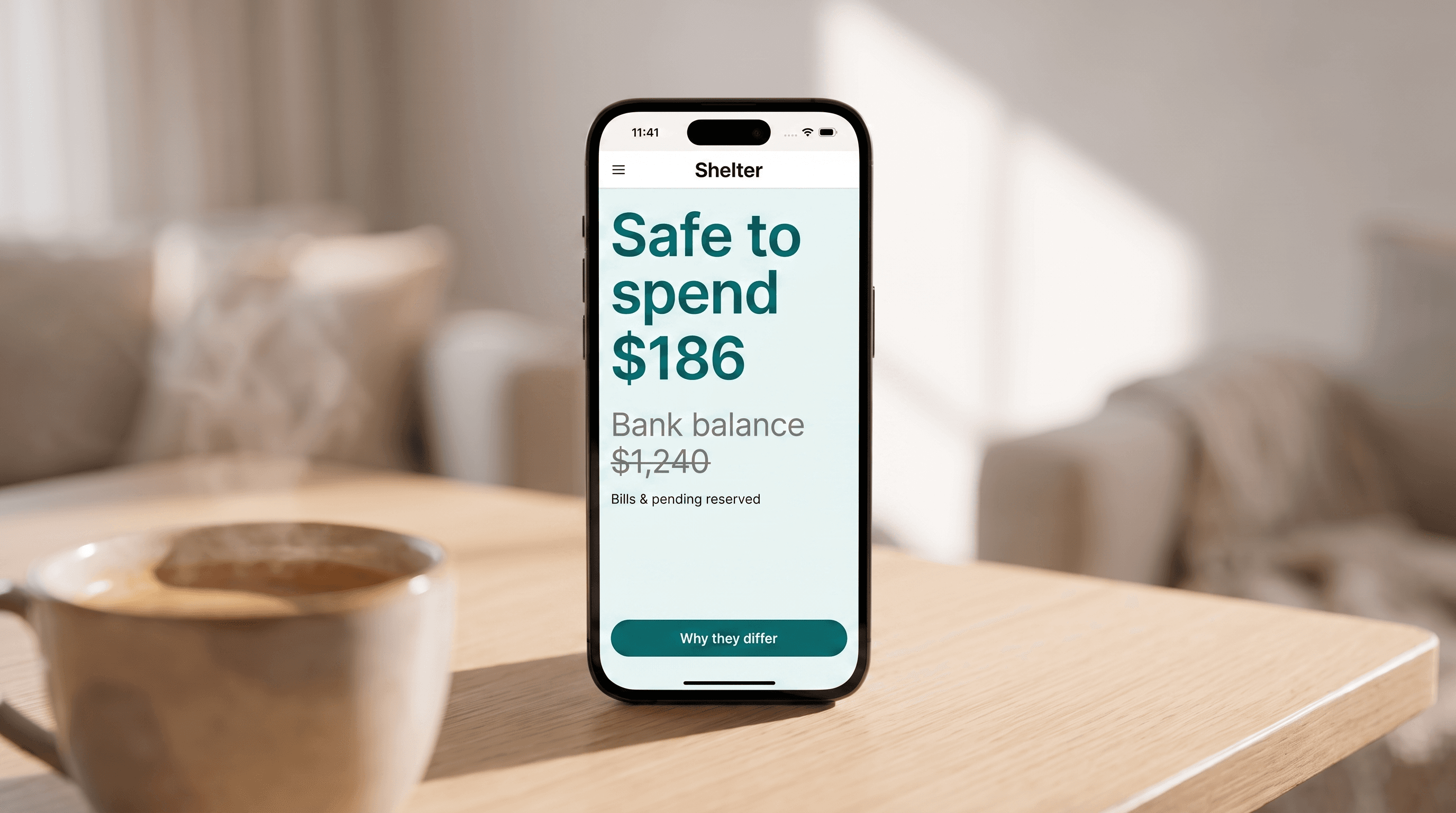
Your bank gives you a Bank Balance. What you actually need is your Safe to Spend amount.
The Bank Balance Illusion
Your bank balance is a raw mathematical truth of the present moment. If your balance is $1,000, that means there is exactly $1,000 in your account right now.
But personal finance isn't lived in a single moment. It's lived across a timeline.
That $1,000 balance is an illusion of wealth if:
- Rent ($800) is due tomorrow.
- Your internet bill ($80) auto-drafts on Friday.
- Your gym membership ($50) hits on Saturday.
In reality, your true available money isn't $1,000. It's $70.
What is "Safe to Spend"?
"Safe to Spend" is a financial concept that shifts your focus from the present to the future. It calculates exactly how much money you can spend right now without risking an overdraft later.
The formula is straightforward:
Current Bank Balance - All Upcoming Fixed Expenses (Until Next Payday) = Safe to Spend
When you look at your Safe to Spend number instead of your bank balance, you strip away the anxiety of the unknown. If your Safe to Spend says $70, you know you can safely buy $70 worth of groceries without a single payment bouncing next week.
Why Manual Calculation Fails
You can calculate your Safe to Spend manually on a whiteboard or a spreadsheet. The problem? Life moves too fast.
A forgotten $10 Spotify subscription or a utility bill that varies by $15 can throw off your entire manual calculation, leading straight to an unexpected $35 overdraft fee.
Relying on mental math for your cash flow is like driving a car while looking only in the rearview mirror. Eventually, you're going to crash.
Automate Your Safe to Spend
Most overdrafts don't happen because people are irresponsible. They happen because your bank shows what you have, not what you're about to spend.
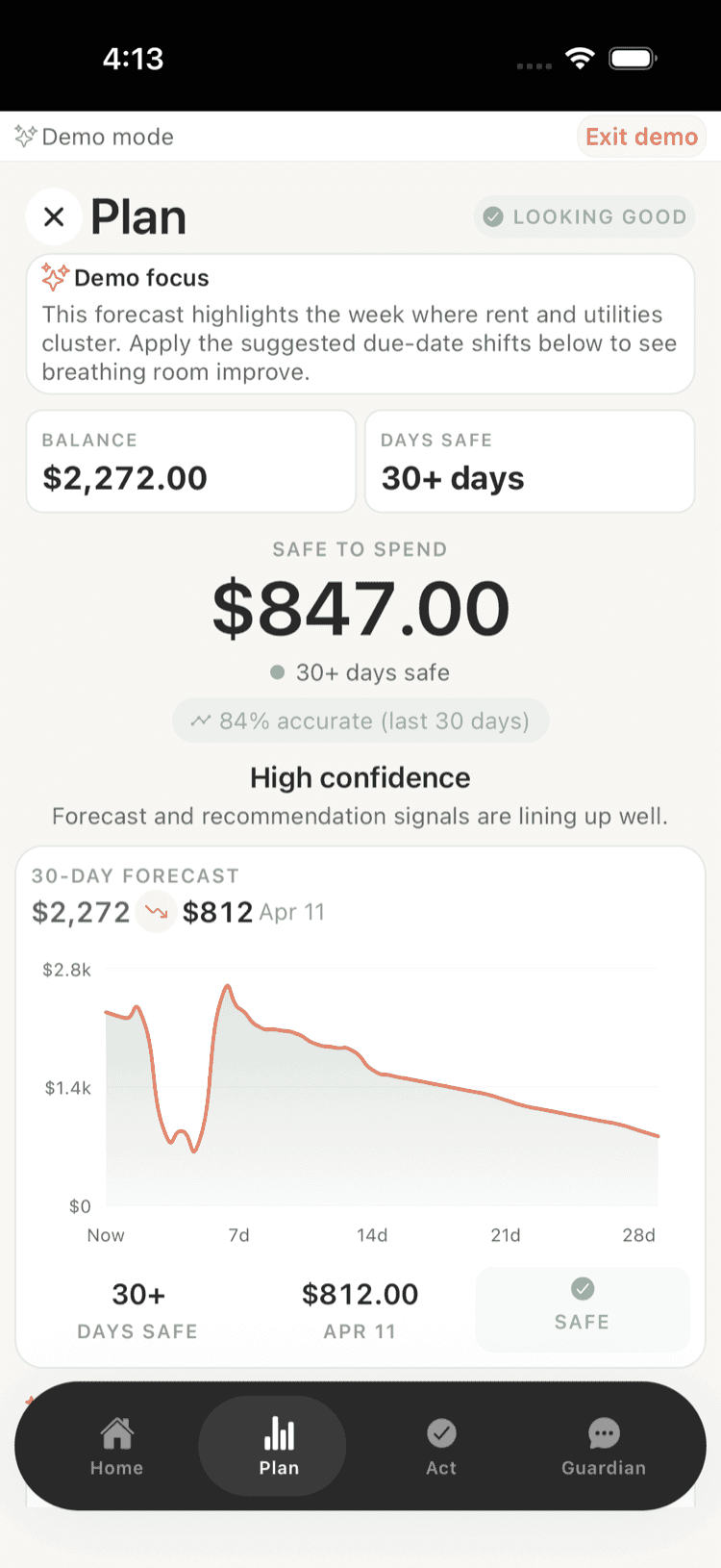
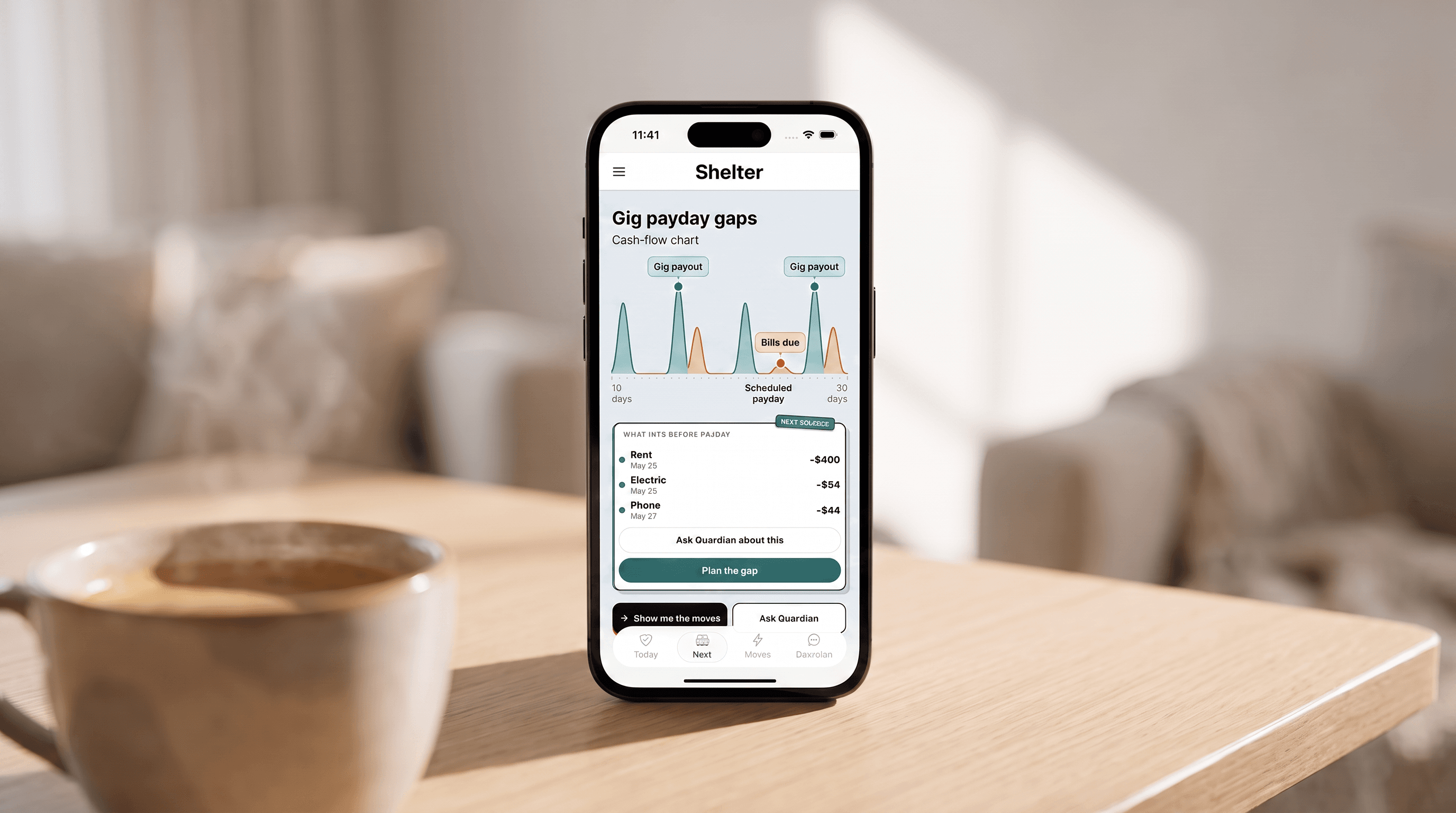
Shelter calculates your Safe-to-Spend automatically. By securely analyzing your bills, subscriptions, and income, Shelter projects your balance forward and gives you the one number that actually matters.
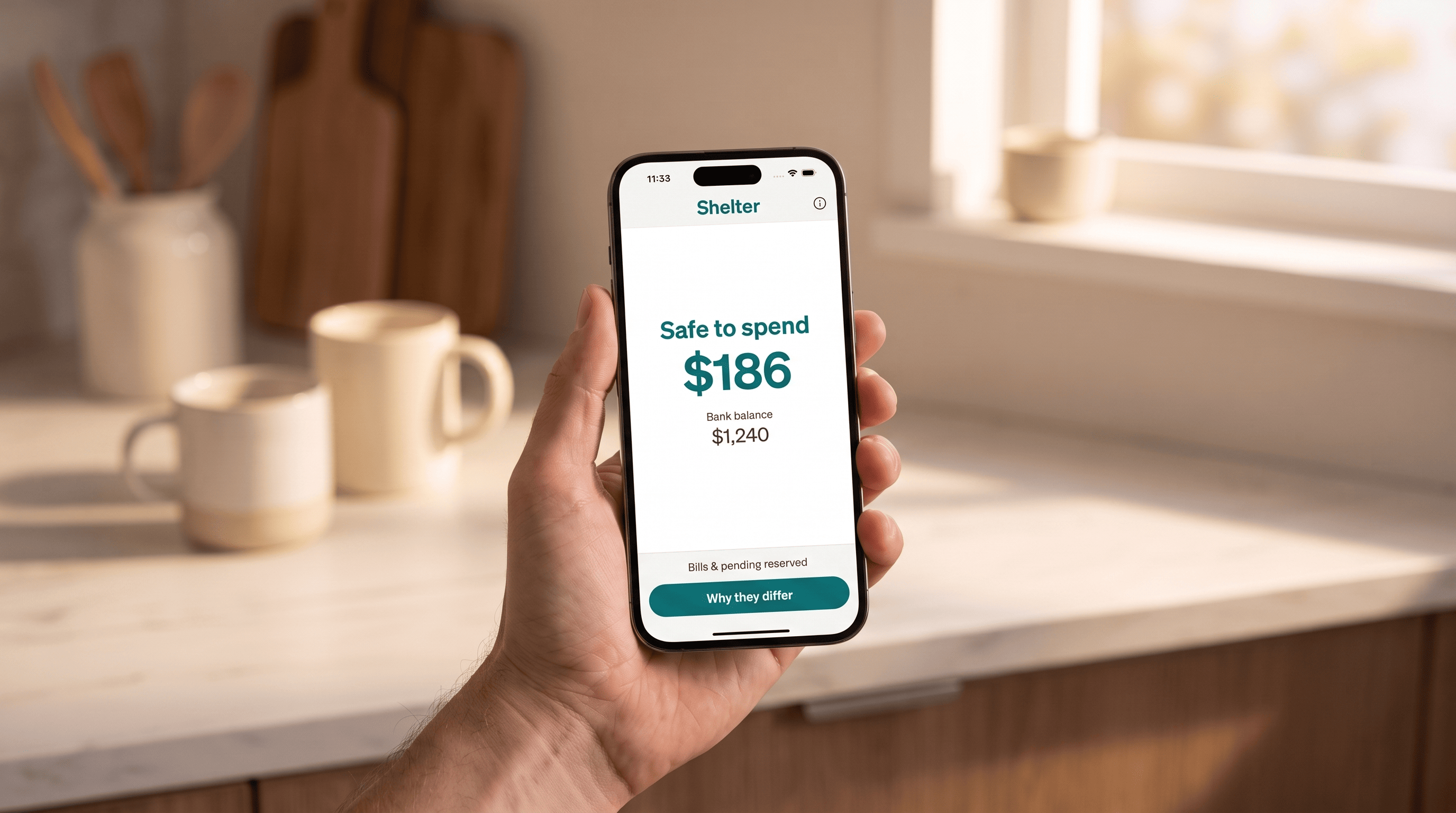
Stop trying to do the math in the checkout line.
Keep Learning
- Discover exactly Why Your Bank Balance is Lying to You.
- Dive into the strategy with Overdraft Protection for Beginners.
Take control of your cash flow
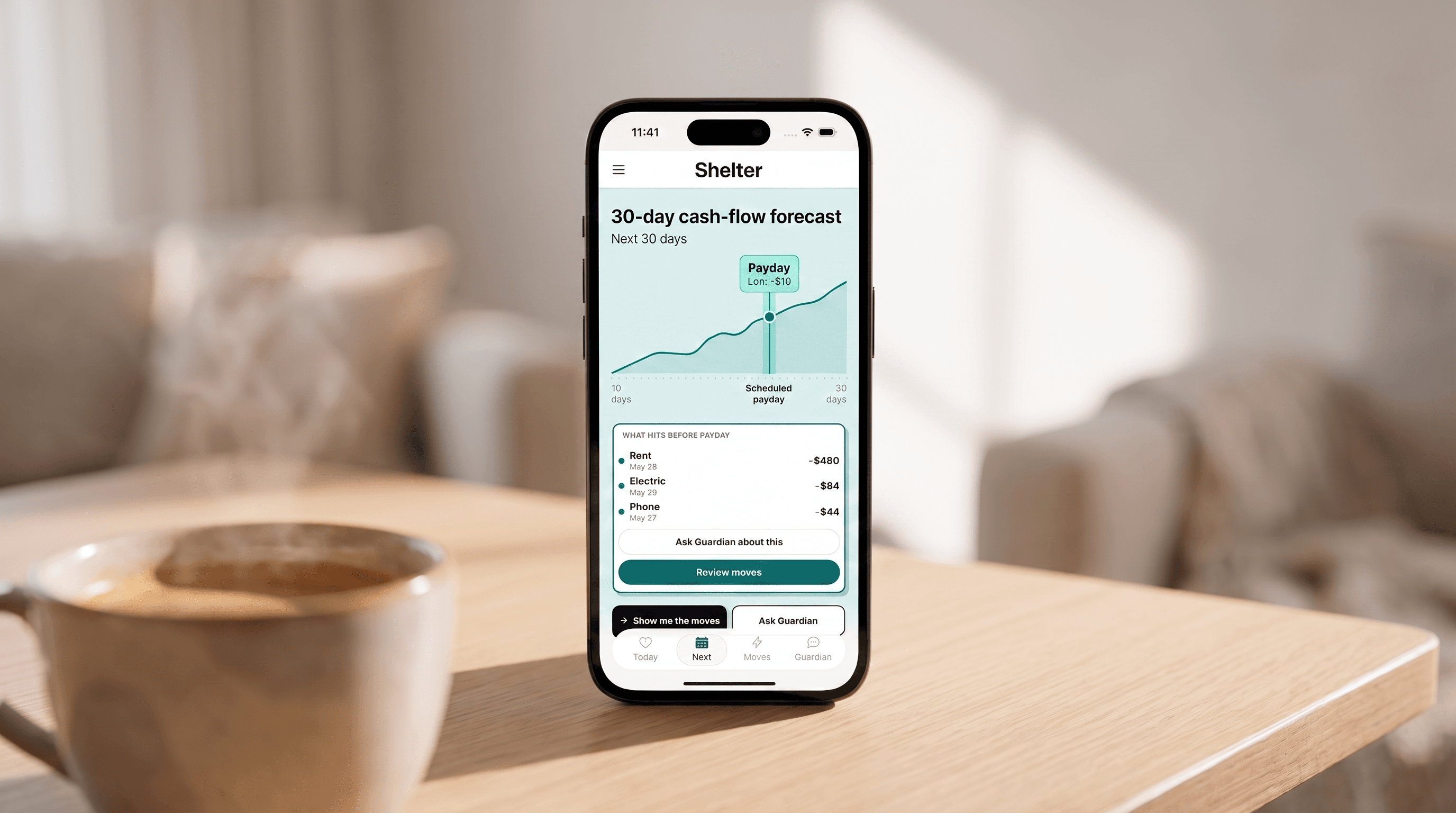
Shelter connects to your bank, forecasts your balance 30 days out, and alerts you before problems happen.